





Hallowell Crews Practiced Propane Safety and Live-Fire Response


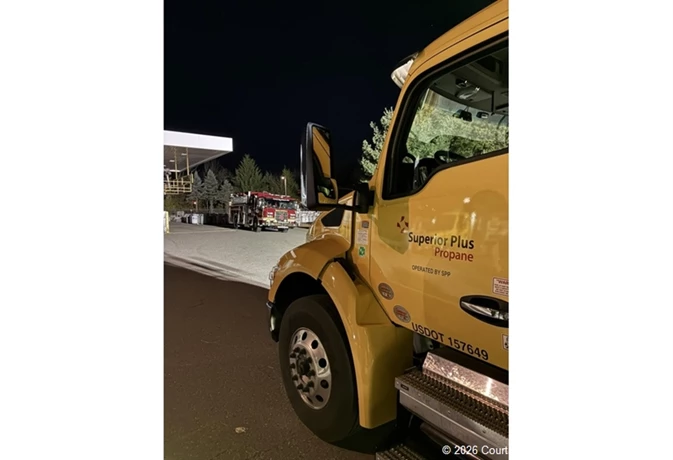
Photo by Courtesy of Hallowell Fire Department
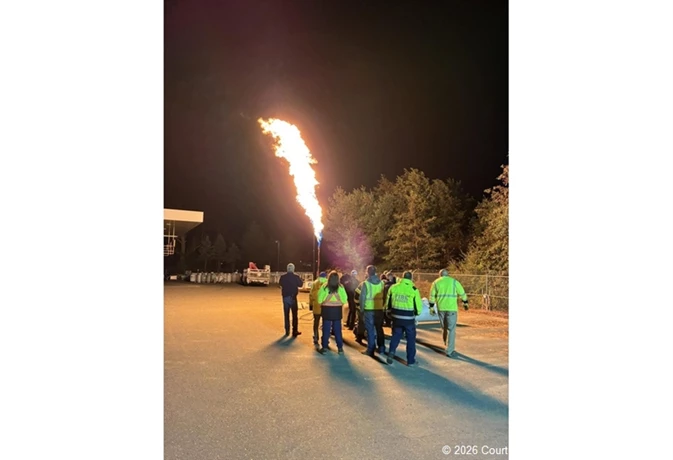
Photo by Courtesy of Hallowell Fire Department
Hallowell, ME — October 22 — In collaboration with the Propane Gas Association of New England (PGANE) and Superior Plus Propane, the Hallowell Fire Department convened a specialized training session dedicated to propane safety.
Delegates comprising firefighters from Farmingdale, Manchester, Randolph, and West Gardiner, alongside superior propane service professionals from throughout the nation, convened for a session dedicated to the perils associated with propane and other flammable gas emergencies. The curriculum integrated comprehensive safety instruction with practical, hands-on demonstrations to address these critical hazards.
This session equipped firefighters with an in-depth understanding of propane apparatus, enabling them to identify latent hazards and evaluate critical safety protocols during gas-related incidents. Complementing theoretical knowledge, live-fire exercises offered hands-on exposure to the volatile conditions characteristic of such emergencies.
Propane emergencies impose distinct challenges on first responders, as the presence of escaping gas creates a latent risk of ignition upon exposure to any ignition source. Consequently, a comprehensive grasp of the fuel's physical characteristics, coupled with the precise identification of associated hazards and the strict adherence to established response protocols, constitutes the cornerstone of effective incident management.
PGANE delivered specialized emergency response curricula tailored for firefighters and industrial personnel, encompassing both theoretical classroom instruction and hands-on practical drills featuring live fire scenarios and leak mitigation protocols.
Superior Plus Propane facilitated the Hallowell training session by supplying dinner, propane fuel for live demonstrations, and additional logistical resources. This initiative not only bolstered operational capabilities but also deepened collaborative ties between municipal fire departments and industry experts, thereby fostering more effective and harmonized emergency response protocols.
No information from the author.