






North Caldwell Crews Train on Hose, Forcible Entry and Ventilation


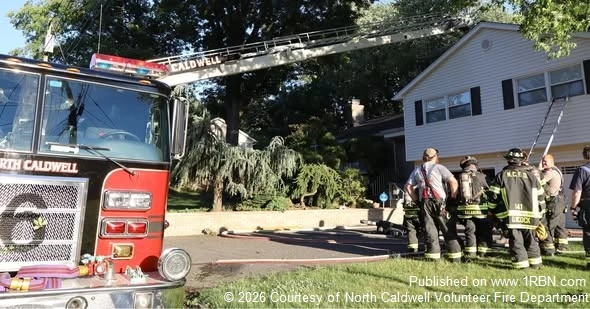
Photo by Courtesy of North Caldwell Volunteer Fire Department
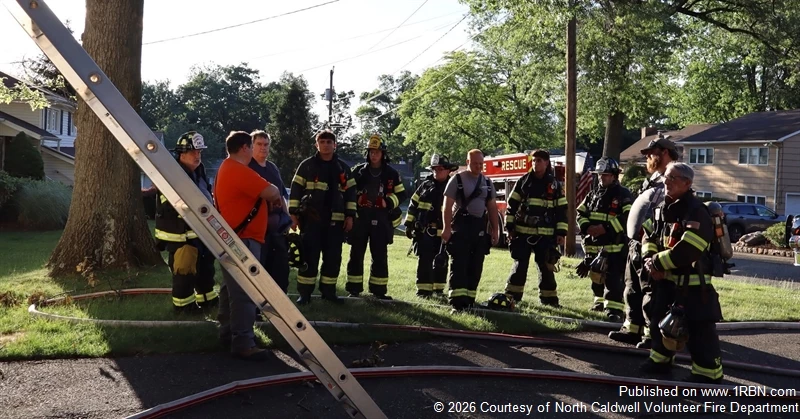
Photo by Courtesy of North Caldwell Volunteer Fire Department
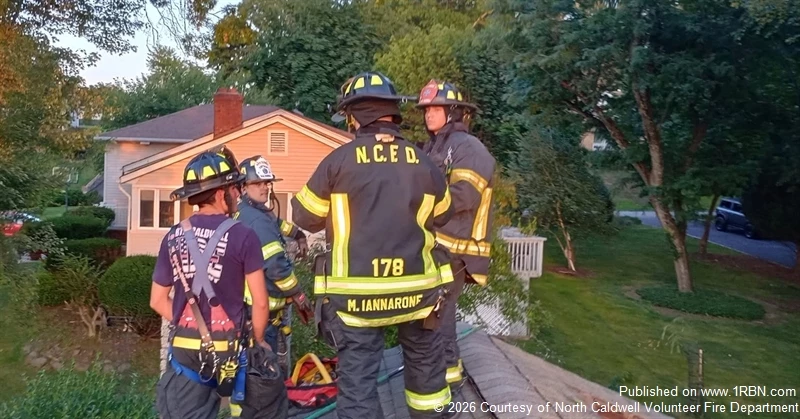
Photo by Courtesy of North Caldwell Volunteer Fire Department
North Caldwell, N.J. — June and July 2026 — During three training drills in June and July, North Caldwell volunteer firemen practiced a variety of fireground skills that can be challenging to master during regular company training in an abandoned house in town.
Hose stretches in almost complete darkness produced by a fog machine were part of the three sessions. While other personnel, including junior firemen, worked on ladder placement for ventilation, rescue, and roof access, firefighters practiced advancing lines.
In addition, members worked with a range of hand tools and examined overhaul procedures. Before using those items on a real fireground, the sessions allowed firemen to study practical uses and experiment using equipment they would not use on a regular basis.
Forcible-entry skills were also practiced using multiple doors. Firefighters were introduced to the Bresnan distributor, commonly called a cellar nozzle, and reviewed its use during basement-fire operations. Members practiced making the required opening, positioning the nozzle and observing its operation from the basement side.
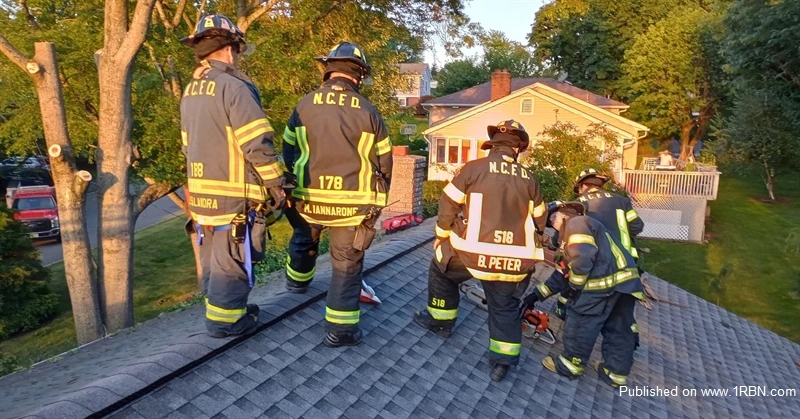
The final drill focused on vertical ventilation. Firefighters cut ventilation openings in the roof while working with several types of saws and discussing the advantages and limitations of each tool.
Members also reviewed the use of a chimney nozzle, another specialized piece of equipment used for specific fireground applications.
The department said the three drills allowed its volunteers to sharpen skills that can be difficult to replicate during normal station training. The department is a 100% volunteer organization serving North Caldwell and was established in 1922.
North Caldwell has continued to use real structures for controlled training. In June, the borough notified residents that firefighters would conduct a training exercise at a home on Willow Lane, using municipal water during the drill.
For volunteer companies, opportunities to train in residential structures provide crews with experience in hose advancement, forcible entry, ladder placement, overhaul and ventilation in an environment that more closely resembles the challenges found on actual calls.
No information from the author.