










NJ EMS TASK FORCE CAPS MORE THAN 2-YEAR EFFORT WITH FINAL WORLD CUP 2026 GAME


Courtesy NJ EMS Task Force
Courtesy NJ EMS Task Force
Courtesy NJ EMS Task Force
Courtesy NJ EMS Task Force
Courtesy NJ EMS Task Force
Courtesy NJ EMS Task Force
Courtesy NJ EMS Task Force
Courtesy NJ EMS Task Force
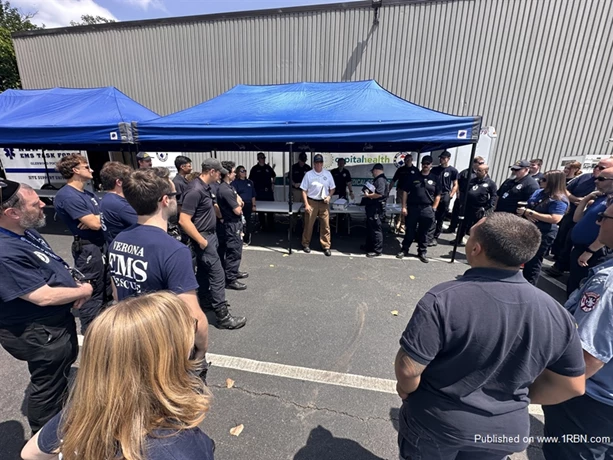
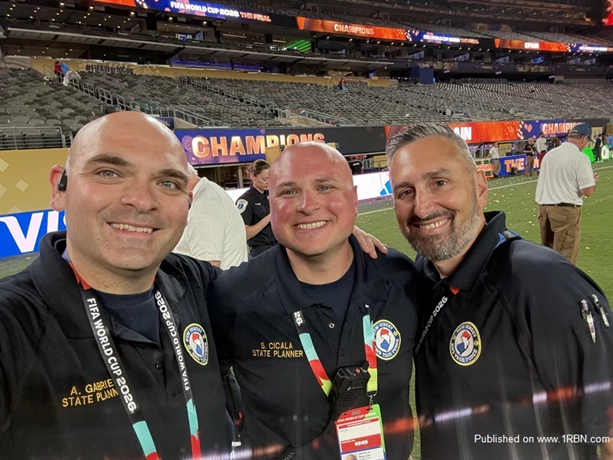
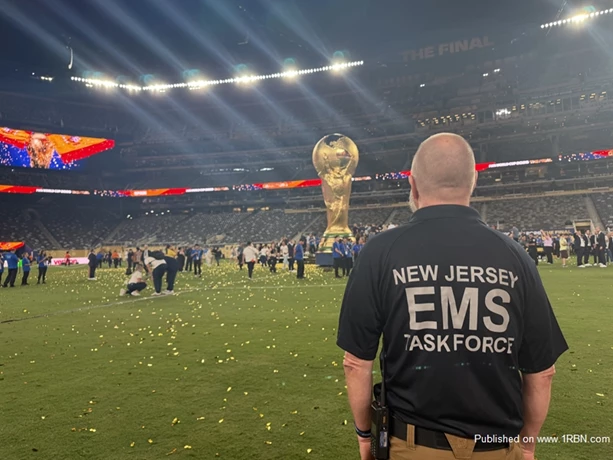
Hours after the final player left the pitch Sunday night, July 19, in FIFA’s World Cup 2026 finale at the New Jersey/New York Stadium, nearly 100 members of the New Jersey EMS Task Force were still working to ensure the safety of attendees.
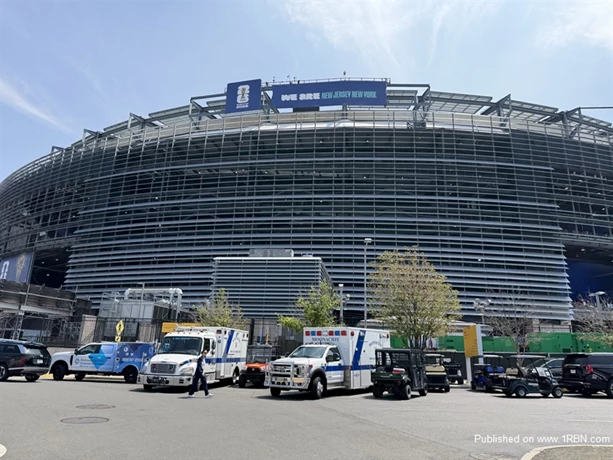
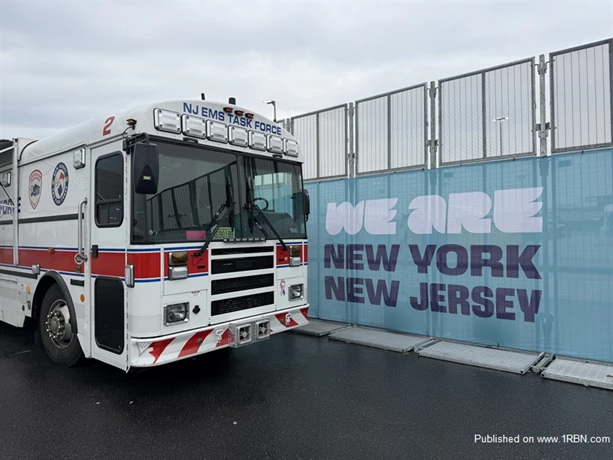
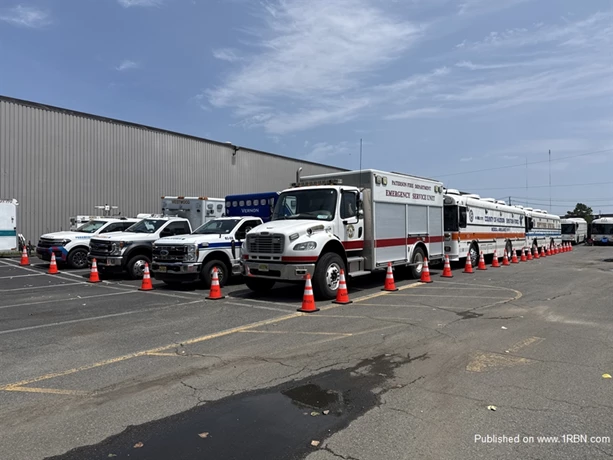
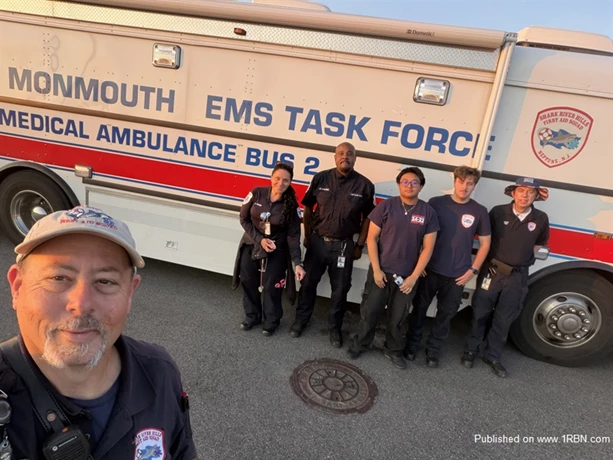
The World Cup finale was the culmination of more than two years of planning for the NJ EMS Task Force’s role in the massive coalition of EMS, fire, and law enforcement agencies throughout the tournament. In all, the NJEMSTF-managed responders representing 99 New Jersey agencies logged more than 8,500 personnel hours across eight games, with more than 75 providers on hand at each event. The organization also deployed 137 ambulances and positioned more than 70 specialty vehicles throughout the region during the tournament.
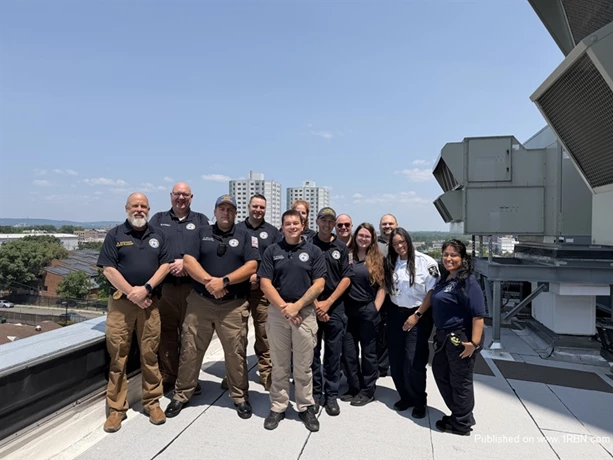
“This was by far the largest undertaking in our history, and the team worked flawlessly,” said Michael J. Bascom, the NJEMSTF president. “This was possible because of our host agencies, our members, our partners at the Department of Health and the New Jersey Sports and Exhibition Authority EMS, which held responsibility for medical coverage inside the Meadowlands complex, NJ Transit, our partner EMS agencies from around the entire state, fire, and law enforcement. We came together, played to our strengths, and learned a lot going forward.”
The NJ State Police was the lead agency for overall planning efforts. Under the direction of the NJ Department of Health, the NJ EMS Task Force planners participated in an all-hazards, all-disciplines approach. Planning for what the NJEMSTF could contribute to overall coverage began shortly after the tournament was announced for the metropolitan area and has intensified over the past two years.
“Our preparedness planners kept asking 'what if'? They're the same team behind most of New Jersey's primary emergency plans, and it showed," Bascom said. "We saw those plans hold up every night of the tournament, adjusting on the fly as conditions changed. Our teams were in the right places, ready to support their colleagues across emergency services.”
During the planning phase, the NJ EMS Task Force participated in multiple multi-agency exercises to build relationships among EMS, fire, and law enforcement agencies that would be part of the tri-state World Cup response.
“These relationships will further strengthen the emergency response system in New Jersey well into the future,” said Bascom. “End to end, this experience will benefit the residents of our state.”
Throughout the tournament, NJ EMS Task Force members worked at transit centers, regional staging locations, and operations centers, while NJSEA EMS focused on game attendees.
The NJ EMS Task Force is a statewide emergency services organization serving all 21 counties. The organization's formation began in earnest in the wake of the Sept. 11, 2001 terrorist attacks and has grown to include 225 members from 60 career and volunteer host agencies throughout the state who respond to large-scale man-made and natural disasters.
NJ EMS Task Force planners have been developing, testing and refining plans for large-scale emergencies for decades. That work allowed team members to incorporate proven strategies into the World Cup plans to protect New Jersey residents and the countless others who visited the region for the matches.
“Our team stepped up and handled enormous pressure. Our teams were in the right places, ready to support their colleagues across emergency services at FIFA events and deploy to unplanned needs across the state,” Bascom said. “What’s important is that these highly trained EMS providers also covered emergencies large and small in their home communities. I am proud of what this organization means to New Jersey.”
No information from the author.