





Canaan, Enfield and Grafton Firefighters Conducted Vehicle Extrication Training


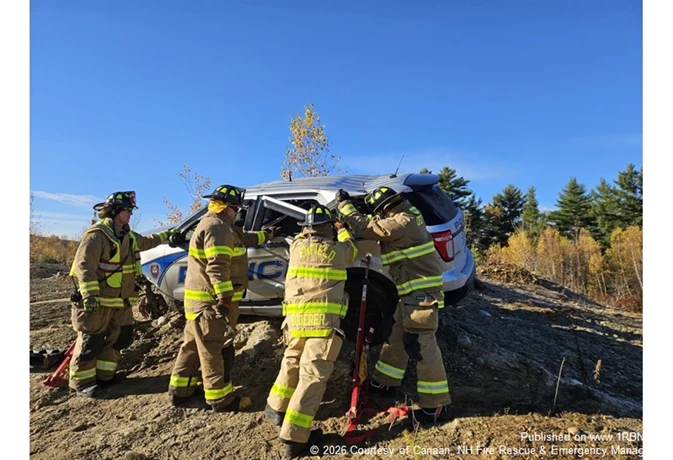
Photo by Courtesy of Canaan, NH Fire Rescue & Emergency Management
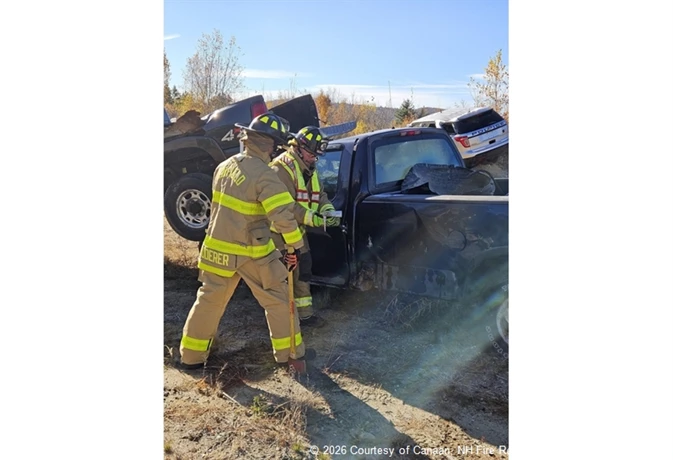
Photo by Courtesy of Canaan, NH Fire Rescue & Emergency Management
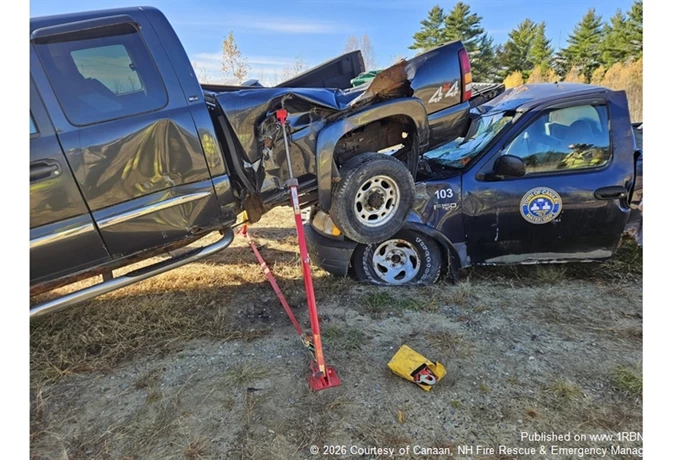
Photo by Courtesy of Canaan, NH Fire Rescue & Emergency Management
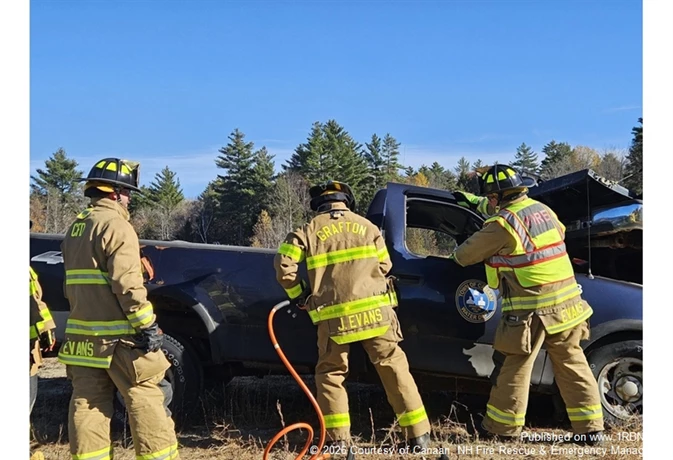
Photo by Courtesy of Canaan, NH Fire Rescue & Emergency Management
Canaan, NH — October 24 — Personnel from the Canaan, Enfield, and Grafton fire departments convened for collaborative vehicle extrication training, with an emphasis on the operational deployment of rescue apparatus and the application of vehicle stabilization protocols.
This session afforded personnel the chance to engage directly with Holmatro hydraulic rescue tools and stabilization struts.
Firefighters honed their proficiency in operating the specific apparatus required for vehicle extrication while critically examining the methodologies employed to access occupants immobilized following motor vehicle collisions.
Ensuring vehicle stability continues to constitute a critical component of extrication operations. Teams systematically examined the deployment of stabilization struts to immobilize compromised vehicles, thereby mitigating unintended displacement throughout the rescue process. Such rigorous stabilization protocols are instrumental in establishing a secure operational environment for both fire suppression personnel and emergency medical services staff attending to casualties.
Holmatro rescue apparatus encompassed instruments engineered for severing and prying apart vehicular structures, alongside stabilization mechanisms capable of securing vehicles positioned on their wheels, flanks, or rooftops. The joint exercise further facilitated collaboration among firefighters from the three communities, fostering greater familiarity with regional rescue apparatus and operational protocols.
Canaan Fire Rescue had earlier documented its proficiency in extrication apparatus and collaborative protocols with adjacent jurisdictions, specifically the departments of Enfield and Grafton. Routine practical drills were instrumental in sustaining technical rescue proficiencies and ensuring that personnel were adequately prepared to address vehicle emergencies demanding synchronized coordination between fire and emergency medical services.
No information from the author.