






Breathing Under Pressure: Whiting Volunteers Complete Practical SCBA Consumption Evolution


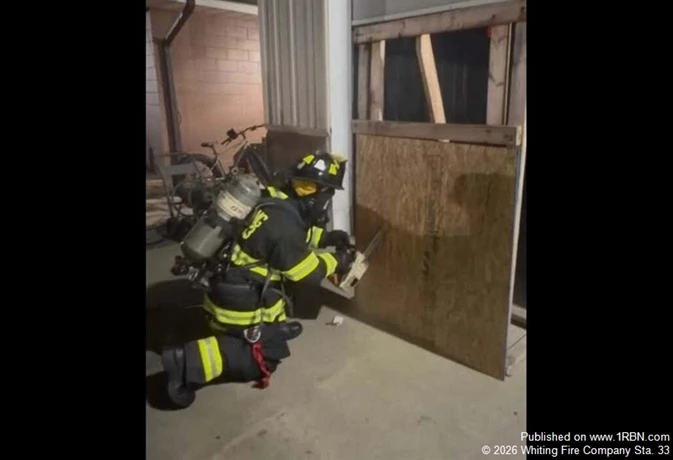
Photo by Whiting Fire Company Sta. 33
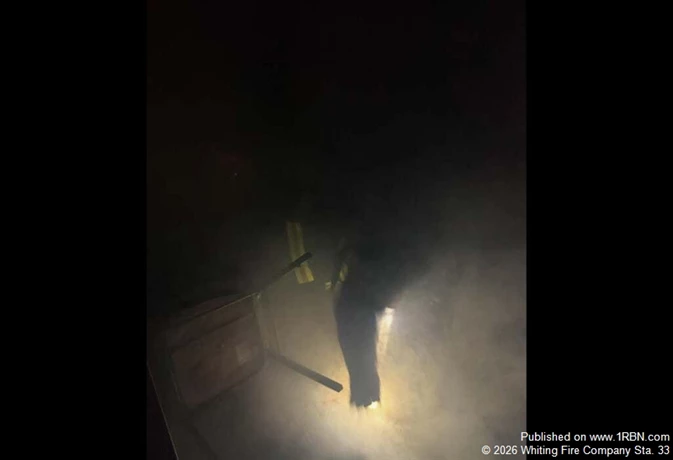
Photo by Whiting Fire Company Sta. 33
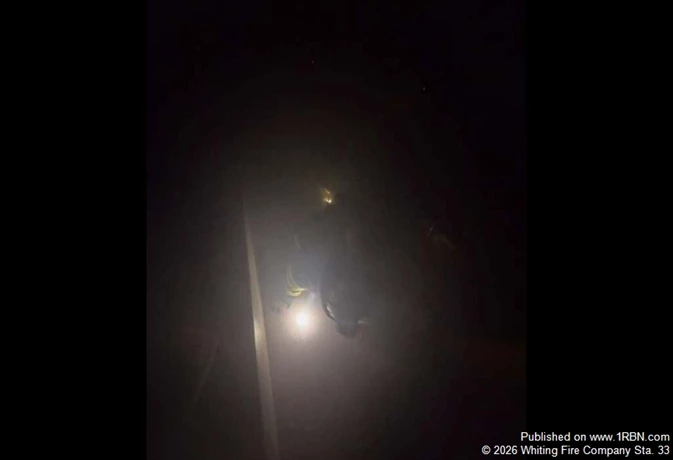
Photo by Whiting Fire Company Sta. 33
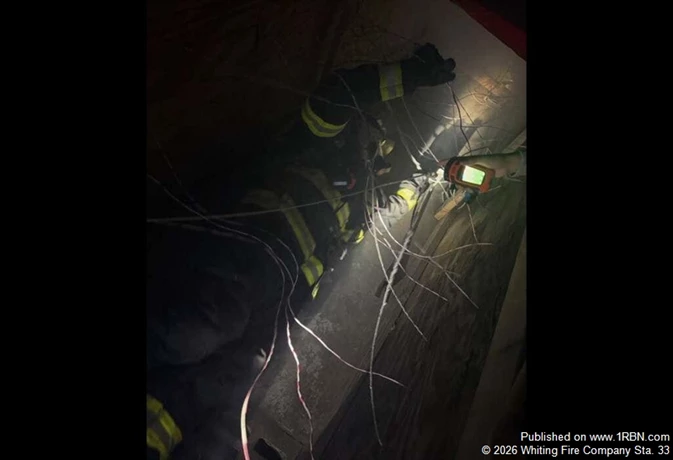
Photo by Whiting Fire Company Sta. 33
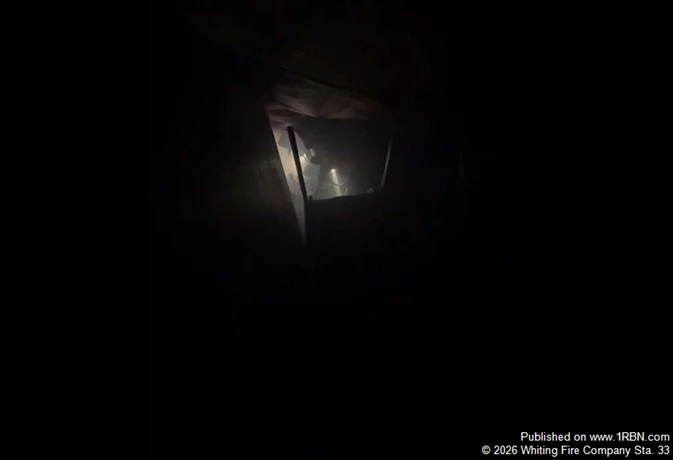
Photo by Whiting Fire Company Sta. 33
Whitting, NJ - Firefighters with Station 33 (Whiting Fire Company) underwent an intensive Self-Contained Breathing Apparatus (SCBA) air management practical evolution on Monday evening, designed to simulate the severe physical exhaustion, sensory deprivation, and oxygen demands encountered during interior structural operations.
On Monday, September 21, 2026, department personnel operated in teams through a gauntlet of physically taxing firefighting scenarios while on cylinder air. The evolution began with specialized forcible entry, requiring crews to convert a window opening into a doorway—a tactical maneuver frequently utilized during rapid-intervention rescues.
Firefighters then advanced through a zero-visibility entanglement prop and maneuvered through a simulated structural collapse and confined-space obstacle course. Once through the restricted spaces, crews located a simulated victim, secured them in tight quarters, and executed an extrication back to the exterior.
Safety officers tracked each responder's cylinder pressure before and immediately after the high-stress tasks to evaluate individual air consumption rates under heavy physical exertion. After completing the primary rescue operations, firefighters remained on breathing air during a phase of active, light physical recovery until depleting their cylinders entirely.
Department trainers emphasized that SCBA bottle ratings reflect benchmark working times that rapidly plummet during intense heat, structural resistance, and heavy cardiovascular strain. Training members to understand personal consumption baselines under real-world conditions remains a critical cornerstone of firefighter self-rescue and survival.
No information from the author.