









Multi-Alarm Fire Destroys USGS Aquatic Research Facility in Cortlandville


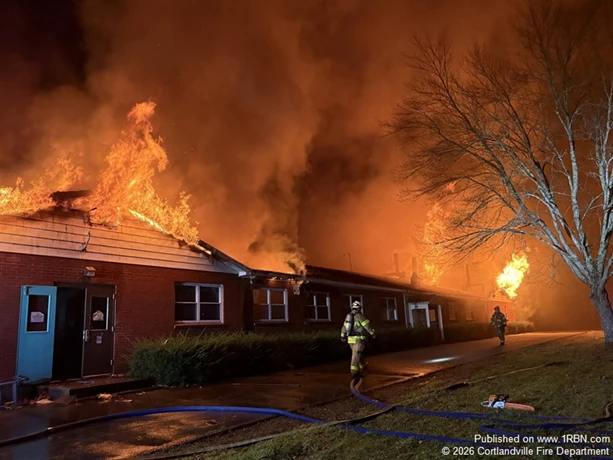
Photo by Cortlandville Fire DepartmentHeavy fire engulfs the roof of the USGS Tunison Aquatic Laboratory in Cortlandville, NY, on November 5, 2026. Firefighters from Cortlandville, Homer and numerous mutual aid departments battled the multi-alarm blaze, which forced crews into defensive operations following a partial roof collapse. The building was declared a total loss. No injuries were reported.
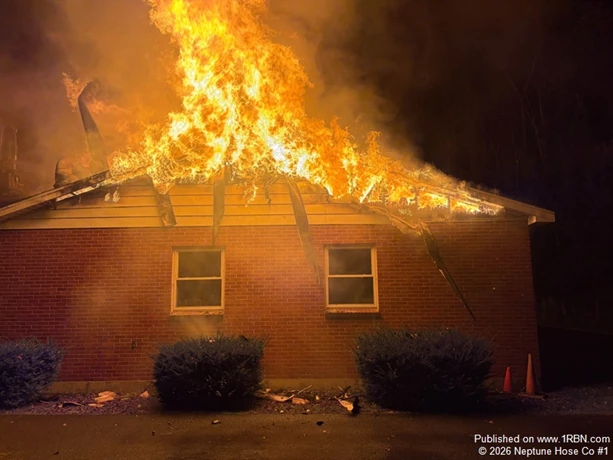
Photo by Neptune Hose Co #1
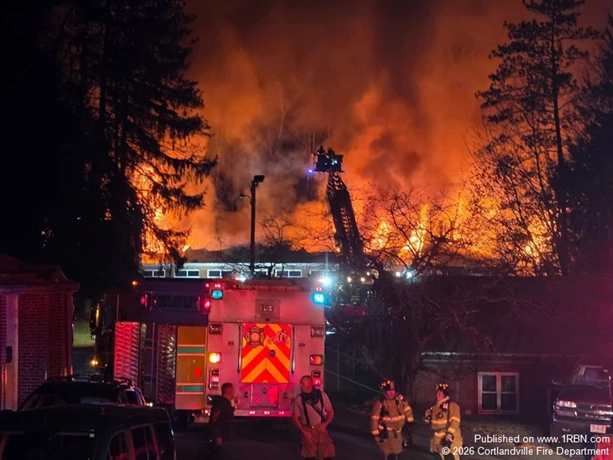
Photo by Cortlandville Fire Department
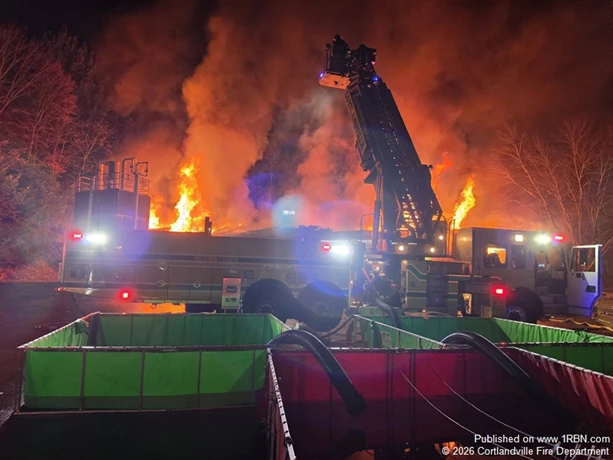
Photo by Cortlandville Fire Department
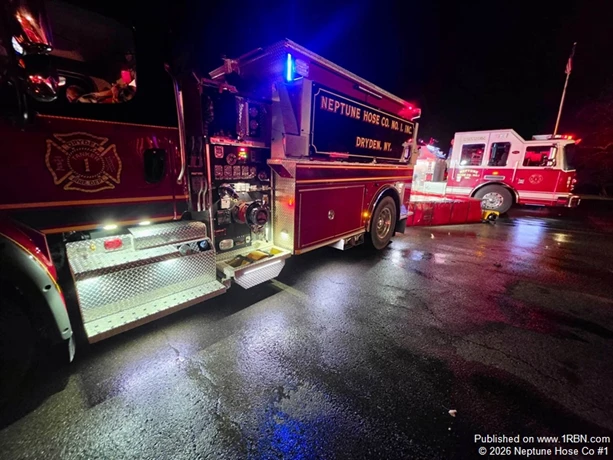
Photo by Neptune Hose Co #1
A multi-alarm structure fire at a federal aquatic research facility brought firefighters from across Cortland and neighboring counties together for an extended operation involving defensive firefighting, aerial master streams and a tanker shuttle to maintain water supply.
On Thursday, November 5, 2026, at approximately 5:23 p.m., the Cortlandville and Homer Fire Departments were dispatched to the USGS Tunison Aquatic Laboratory on Gracie Road in the Town of Cortlandville, New York, for a reported structure fire. Initial information indicated that an electrical fire had started inside the facility and was extending into the building. Employees reportedly attempted to extinguish the fire using several portable fire extinguishers but were unsuccessful.
First-arriving firefighters encountered heavy smoke coming from the structure. With fire conditions developing inside the building, a second alarm was transmitted to bring additional personnel and apparatus to the scene. Crews initially attempted an interior fire attack, but deteriorating conditions and the collapse of several sections of the roof forced firefighters to withdraw and transition to defensive operations.
Multiple hose lines were placed into operation, along with a tower ladder that was positioned to direct water onto the burning structure. Firefighters worked from exterior positions to control the fire while monitoring the remaining structural conditions. A substantial portion of the fire was knocked down within approximately one hour, although crews continued working to extinguish remaining fire and hot spots.
Water supply presented an additional challenge during the operation. With no nearby hydrants available to support the volume of water needed for suppression, multiple tanker companies were requested to establish a water shuttle. Tankers transported water to the scene to support the operating handlines and aerial apparatus throughout the extended response.
The City of Cortland Police Department assisted firefighters by deploying a drone equipped with thermal-imaging capabilities. The aerial observations helped crews locate areas of remaining heat within the heavily damaged structure and direct additional suppression efforts.
The incident required an extensive regional mutual aid response. In addition to the initial response from Cortlandville and Homer, assisting fire departments included Virgil, McGraw, Marathon, Preble, Harford, Dryden, McLean, Killawog and Locke. Responding departments provided additional firefighting personnel, apparatus and water supply resources as operations continued.
Additional agencies assisting at the scene included the Cortland County Sheriff's Office, City of Cortland Police Department, New York State Office of Fire Prevention and Control, Cortland County Department of Emergency Response and Communications, Tompkins County Department of Emergency Response, Town of Cortlandville Highway Department and TLC EMS.
The facility, which was used for federal aquatic research, was undergoing electrical system upgrades at the time of the incident. Although the building was equipped with an automatic sprinkler system, the system was reportedly impaired when the fire occurred.
The structure sustained extensive damage and was subsequently deemed a total loss. No injuries to civilians or firefighters were reported. The fire was reported to have been accidental and electrical in origin.
Firefighters remained on location into the early morning hours conducting additional suppression, overhaul and investigation operations. Responding crews cleared the scene at approximately 1:00 a.m. on November 6, concluding an operation that lasted more than seven hours.
No information from the author.