









Fire Out The Windows On Arrival In Watervliet Apartment Building



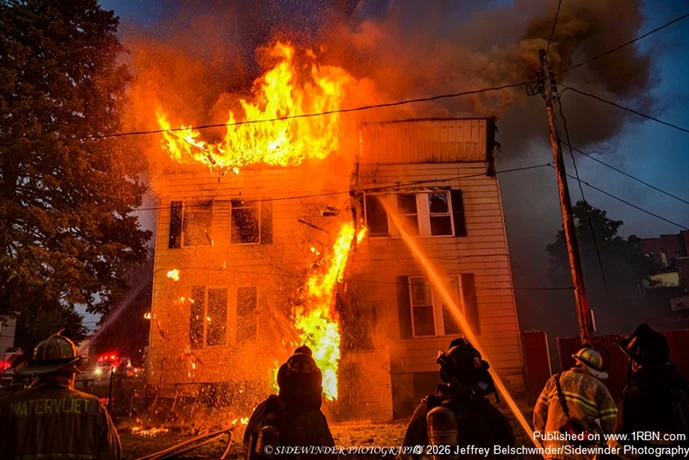
Photo by Jeffrey Belschwinder/Sidewinder PhotographyThe Front facade of the building that was well involved collapses to the ground.
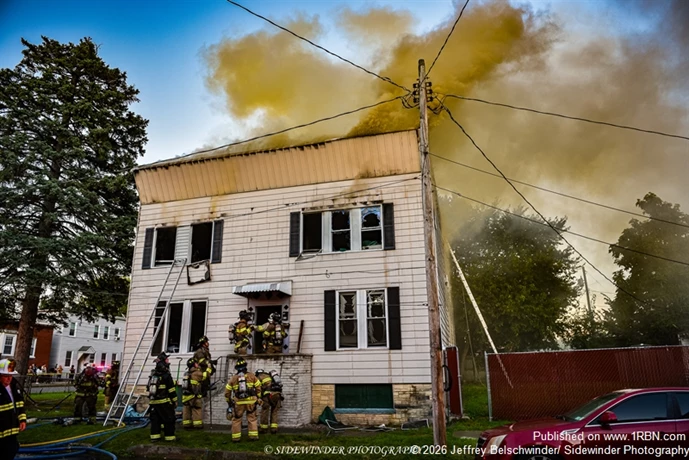
Photo by Jeffrey Belschwinder/ Sidewinder PhotographyHeavy brown smoke pushing from the building on arrival
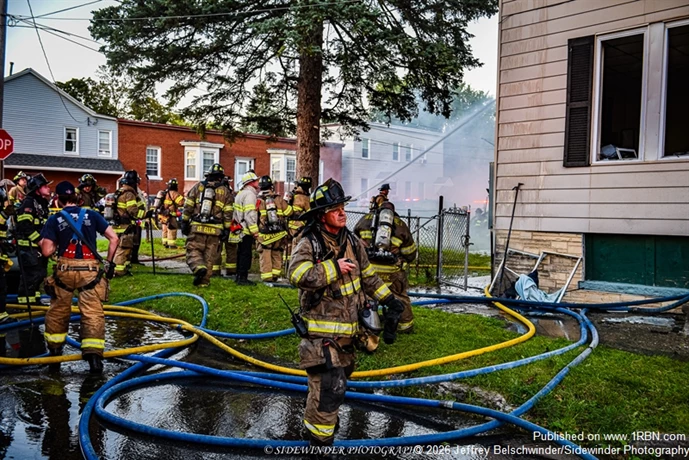
Photo by Jeffrey Belschwinder/Sidewinder PhotographyWatervliet Fire Departments Captain In Charge of The 2nd Alarm Scene
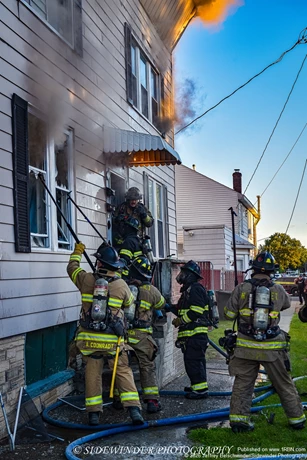
Photo by Jeffrey Belschwinder/Sidewinder PhotographyFirefighters Venting The Front Windows As Crews Make A Push On The 1st & 2nd Floor
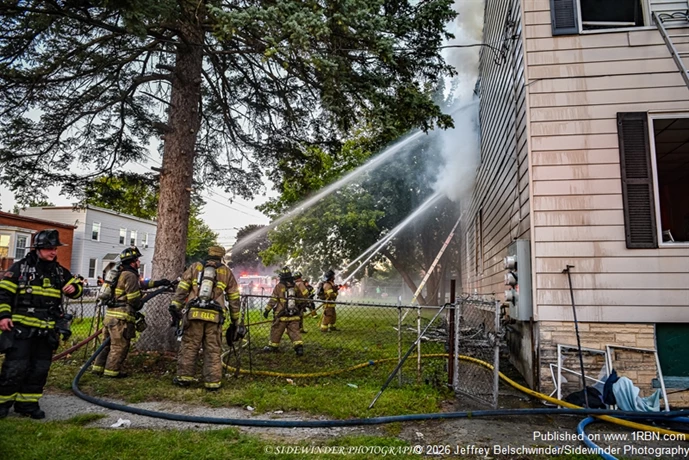
Photo by Jeffrey Belschwinder/Sidewinder PhotographyTroy, Cohoes, and Watervliet Firefighters Hitting The Heavy Fire From The Side Yard
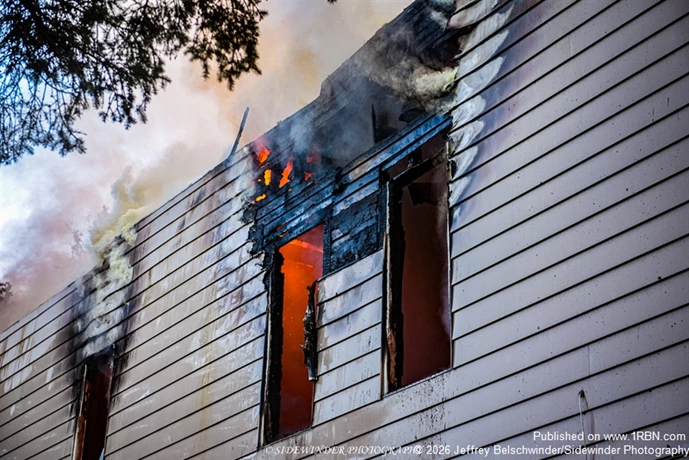
Photo by Jeffrey Belschwinder/Sidewinder Photography
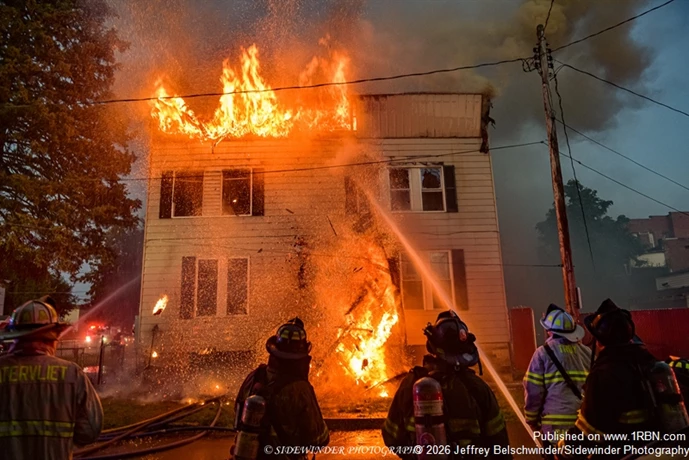
Photo by Jeffrey Belschwinder/Sidewinder Photography
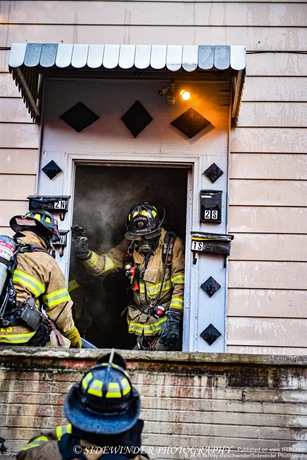
Photo by Jeffrey Belschwinder/Sidewinder PhotographyWatervliet Firefighters Exiting The Building To Give Command An Update
On September 14, 2026, at approximately 6:26 PM, the Watervliet Fire Department, along with mutual aid from the Cohoes, Watervliet Arsenal, and Green Island Fire Departments, was dispatched to the area of Fourth Avenue and 19th Street for multiple reports of a house fire. Callers reported heavy smoke pouring from the building and flames coming from the side of the structure. As firefighters responded, a large column of smoke was visible over the city.
The first arriving units encountered heavy smoke pushing from all four sides of a large multi-occupancy apartment building, with heavy fire showing from the second floor. A Signal 30 was transmitted, followed by a second alarm, bringing additional resources from the Troy Fire Department, Colonie EMS, and Clifton Park EMS. Police confirmed that all occupants had safely evacuated the building.
Firefighters immediately stretched hand lines into the structure and began an aggressive interior attack while conducting primary searches. Additional crews established a water supply, deployed exterior hand lines, and climbed to the roof to perform vertical ventilation. Heavy flames were pushing from multiple second-floor windows, while thick smoke poured from the cockloft and roofline.
As firefighters worked to reach the main body of fire, conditions rapidly deteriorated. Flames were spreading between floors, and intense heat and smoke made interior operations increasingly dangerous. Command ordered an emergency evacuation, forcing firefighters to withdraw and switch to exterior suppression efforts. Shortly afterward, heavy fire broke through the roof.
Once conditions briefly improved, firefighters attempted a second aggressive interior attack, pulling ceilings to expose hidden fire. However, heavy flames continued spreading throughout the building, particularly toward the rear, prompting command to order another emergency evacuation.
Firefighters repositioned multiple hand lines around the building as the Watervliet truck company prepared for aerial master stream operations. Within minutes, heavy smoke pushing from the front eaves was followed by rapidly intensifying flames and a partial collapse, sending a significant section of the burning roof onto the sidewalk below.
With the upper floors and roof heavily involved, firefighters utilized multiple hand lines and aerial master streams to pour thousands of gallons of water onto the blaze. The fire had extended through the roof and portions of several exterior walls, making suppression efforts extremely challenging.
Additional firefighters responding through department recalls assisted with operations as crews continued battling stubborn pockets of fire throughout the evening. The truck company repositioned its aerial stream several times to reach areas that ground crews could not safely access.
Mutual aid departments were eventually released later that evening, while Watervliet firefighters continued suppression and overhaul operations into the early morning hours.
No injuries were reported. The American Red Cross was contacted to assist displaced occupants, and investigators from the New York State Office of Fire Prevention and Control responded to investigate the cause of the fire.