










North Collier Fire Launches Mobile Integrated Healthcare “We Care” Program. First in SWFL.


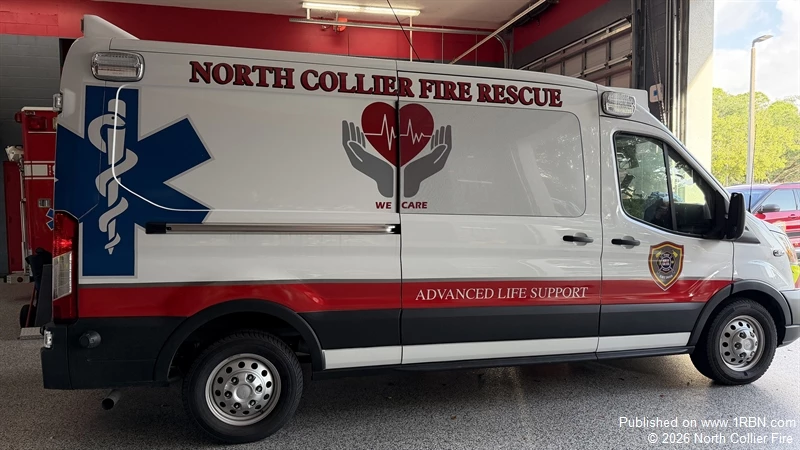
Photo by North Collier FireNorth Collier Fire Control & Rescue District’s new Mobile Integrated Healthcare unit, MH-45, entered service on July 20, 2026. Branded as the “We Care” program, the unit responds to designated low-acuity medical calls while helping preserve frontline rescue units for critical emergencies. The public should continue to call 911, where trained emergency communications personnel will determine the appropriate resource to dispatch.
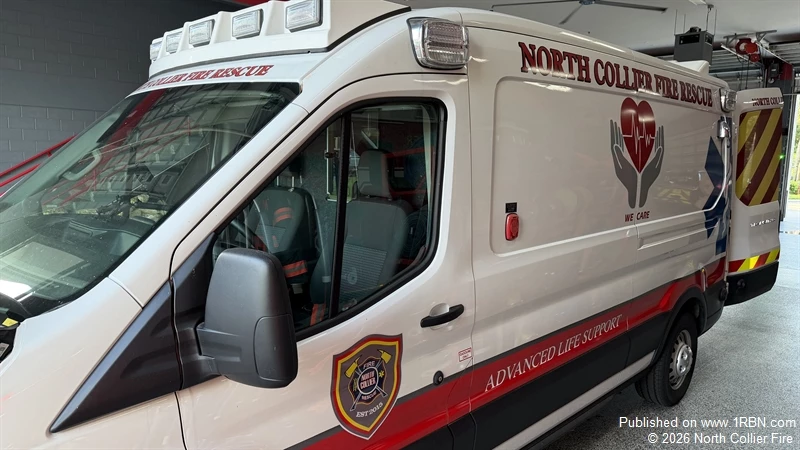
Photo by North Collier FireNorth Collier Fire Control & Rescue District’s new Mobile Integrated Healthcare unit, MH-45, entered service on July 20, 2026. Branded as the “We Care” program, the unit responds to designated low-acuity medical calls while helping preserve frontline rescue units for critical emergencies. The public should continue to call 911, where trained emergency communications personnel will determine the appropriate resource to dispatch.
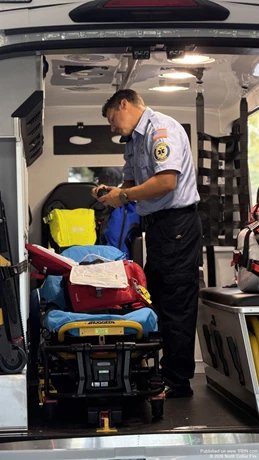
Photo by North Collier FireNorth Collier Fire Control & Rescue District’s new Mobile Integrated Healthcare unit, MH-45, entered service on July 20, 2026. Branded as the “We Care” program, the unit responds to designated low-acuity medical calls while helping preserve frontline rescue units for critical emergencies. The public should continue to call 911, where trained emergency communications personnel will determine the appropriate resource to dispatch.
North Collier Fire Control & Rescue District expanded its emergency medical services delivery model on July 20, 2026, when its first Mobile Integrated Healthcare unit officially went into service.
Designated MH-45 and branded as the “We Care” program, the new unit provides an additional level of service for patients experiencing certain low-acuity and non-emergent medical needs. During its first day of operation, the unit responded to two low-acuity calls.
MH-45 currently operates Monday through Friday from 8 a.m. to 8 p.m., the period during which historical call data showed the greatest need for the specialized resource. One Mobile Integrated Healthcare unit is currently operational.
The program is intended to improve the patient experience, reduce unnecessary emergency department utilization, and help preserve traditional rescue units and ambulances for the community’s most serious and time-sensitive emergencies.
“Launching MH-45 is about delivering the right care, with the right resource, at the right time,” North Collier Fire Chief Eloy Ricardo said. “This program allows us to expand our level of service while helping keep our frontline emergency resources available for patients who are experiencing the most critical emergencies.”
Extensive Planning Behind the Response
Although the public will see a new vehicle on the road, much of the work required to launch the program occurred behind the scenes.
North Collier Fire worked extensively with the Collier County Sheriff’s Office Communications Center, Collier County and the program’s medical directors to develop the operational and clinical framework for MH-45.
The planning process included reviewing historical call data, identifying the types of incidents that could appropriately receive an MIH response, establishing dispatch criteria and determining how the unit would be integrated into the existing emergency response system.
The program’s medical directors maintained direct oversight during its development, helping ensure that the clinical guidelines, patient-selection criteria and treatment procedures met the appropriate standard of care.
Collier County Sheriff’s Office Communications personnel also played a critical role in developing the dispatch process and integrating MH-45 into the computer-aided dispatch system. The internal program planning included coordination with Dispatch regarding operational criteria and the system modifications necessary to implement the new resource.
“A tremendous amount of coordination was required to develop this program safely and responsibly,” Ricardo said. “Our communications partners, Collier County and our medical directors all contributed to creating a system that places the needs and safety of the patient first.”
The Public Still Calls 911
The addition of MH-45 does not create a new telephone number or require residents to determine what type of response they need.
Members of the public should continue to call 911 whenever they are experiencing or witnessing a medical emergency.
The caller answers the dispatcher’s questions, and trained emergency communications personnel use the information provided and the established dispatch criteria to determine the appropriate response. A caller does not need to request MH-45 or decide whether an incident is considered low acuity.
“The public’s responsibility has not changed—they call 911,” said Assistant Chief Ben Rohde, who oversees North Collier Fire’s EMS operations. “We have done the work behind the scenes with Dispatch, Collier County and our medical directors to determine how the appropriate resource will be selected and sent.”
If MH-45 is unavailable, cannot meet the established response standard, or is not appropriate for the patient’s reported condition, the closest available emergency resource will be dispatched.
“Not every call requires the same type of response, but every patient deserves the appropriate level of care,” Rohde said. “MH-45 adds another option to the system. It does not take anything away from the emergency response already available to our community.”
A Flexible Medical Resource
MH-45 primarily responds without lights and sirens to designated low-acuity and non-emergent incidents. These may include selected fall evaluations, qualifying healthcare facility calls, and certain non-emergent interfacility transports. The unit can respond throughout the District’s urban corridor based on established criteria.
While the Mobile Integrated Healthcare unit is designed primarily for lower-acuity patient encounters, it remains a fully equipped, licensed and permitted medical transport vehicle.
The crew can provide Basic Life Support and Advanced Life Support care, conduct patient evaluations, perform community healthcare interventions, and transport a patient when additional care is required. This flexibility allows the crew to respond appropriately if the patient’s condition changes after the unit arrives.
The goal is not to provide patients with less care. Instead, the program is designed to provide a more appropriate, patient-centered level of care while maintaining the ability to escalate the response when medically necessary immediately.
Measuring the Program’s Impact
North Collier Fire will evaluate MH-45 through the District’s Quality Assurance and Continuous Improvement process.
The review will include response times, patient dispositions, clinical outcomes, patient satisfaction, transport avoidance, and the program’s effect on the availability of frontline emergency resources.
The information collected during the initial phase will help the District determine whether services, operating hours or the number of Mobile Integrated Healthcare units should be expanded in the future.
“The words displayed on the vehicle describe what this program is ultimately about: We Care,” Ricardo said. “It reflects our commitment to looking beyond the traditional response model, working with our partners and finding responsible ways to improve how we serve our community.”
No information from the author.