





Cumberland Fire-Rescue Practiced Vehicle Stabilization and Extrication


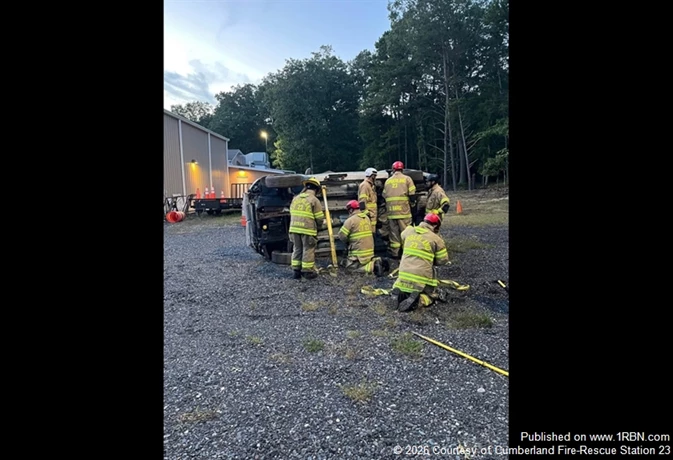
Photo by Courtesy of Cumberland Fire-Rescue Station 23
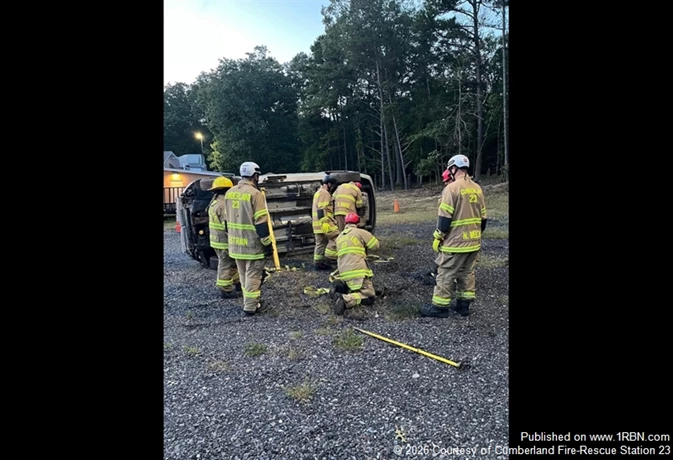
Photo by Courtesy of Cumberland Fire-Rescue Station 23
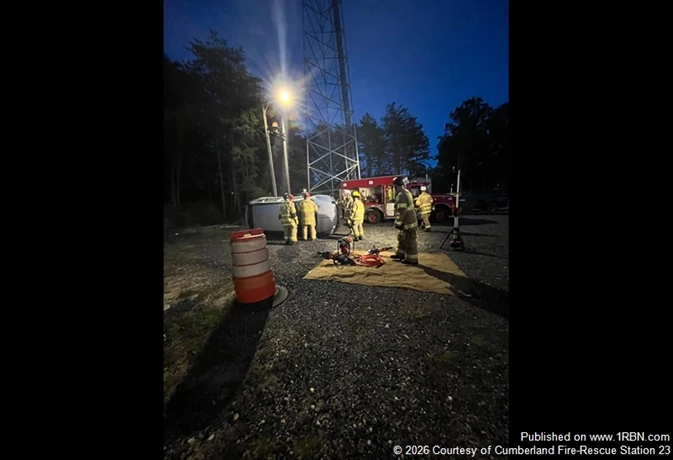
Photo by Courtesy of Cumberland Fire-Rescue Station 23
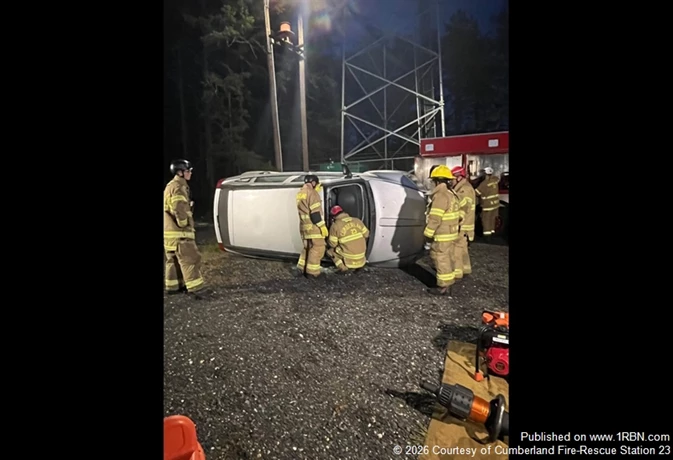
Photo by Courtesy of Cumberland Fire-Rescue Station 23
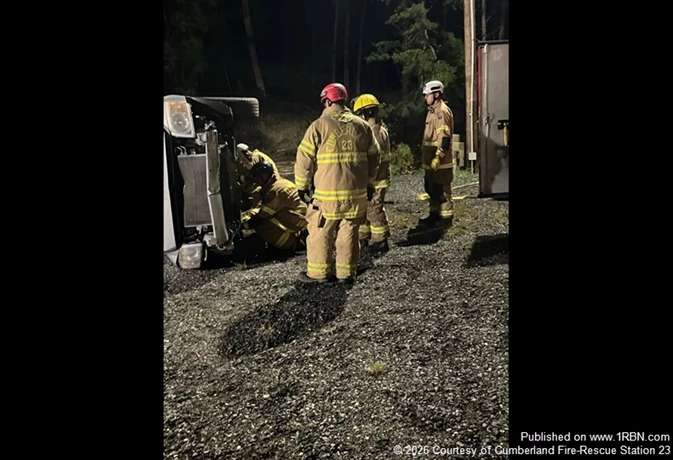
Photo by Courtesy of Cumberland Fire-Rescue Station 23
Millville, N.J. — September 30 — Members of Cumberland Fire-Rescue Station 23 participated in an evening training session that focused on vehicle stabilization and extrication methods. During the exercise, firefighters had the chance to practice techniques commonly used in motor vehicle accidents and other situations involving damaged vehicles.
Stabilizing a vehicle and performing extrication were key aspects of vehicle rescue operations. Stabilization was crucial in preventing the vehicle from moving suddenly while emergency personnel worked around it. Extrication techniques allowed responders to create safe entry points for individuals who were unable to exit the vehicle by themselves.
These operations demanded that firefighters evaluate potential dangers, work cautiously around damaged vehicles, and coordinate their efforts with other emergency personnel.
It was also necessary for crews to evaluate the structural integrity of the vehicle and identify possible safety hazards before starting any rescue work.
This training reinforced Station 23’s overall commitment to delivering fire suppression, rescue, and emergency services to the community.
Cumberland Volunteer Fire Company emphasized training and volunteer service as vital components of its efforts to safeguard lives, property, and the environment.
Vehicle rescue training also played a role in the broader educational programs of the fire service in New Jersey. The state’s Division of Fire Safety provided ongoing education on firefighter extrication skills and training approaches.
Ongoing hands-on drills enabled firefighters to keep their practical skills sharp and to be ready for incidents that required safe vehicle access and well-coordinated rescue efforts.
No information from the author.