






Water on the Move: Avon Crews Master Rural Tanker Shuttle Operations in Hartford County


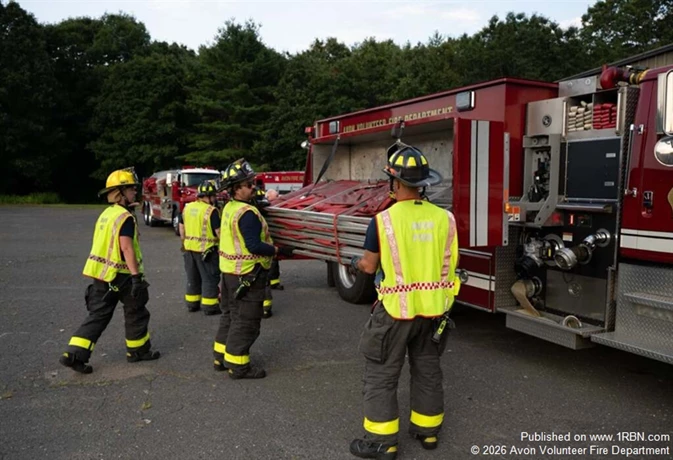
Photo by Avon Volunteer Fire Department
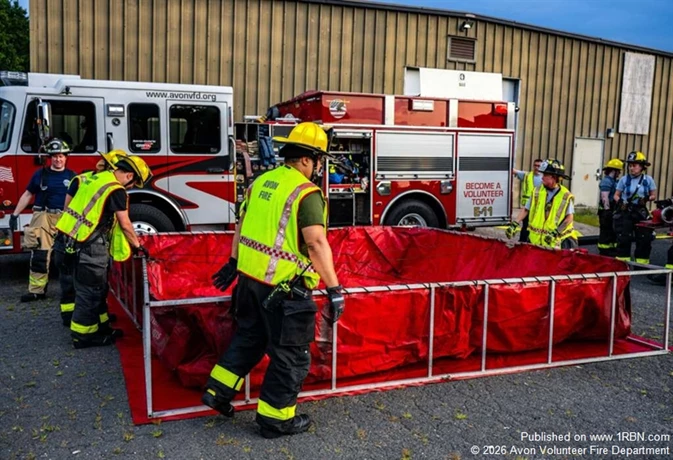
Photo by Avon Volunteer Fire Department
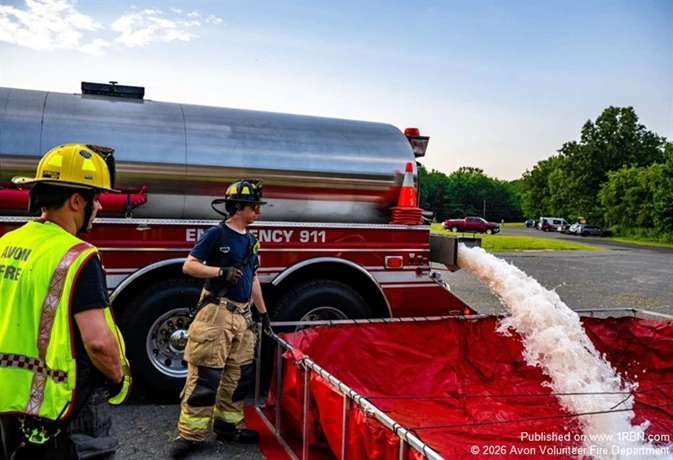
Photo by Avon Volunteer Fire Department
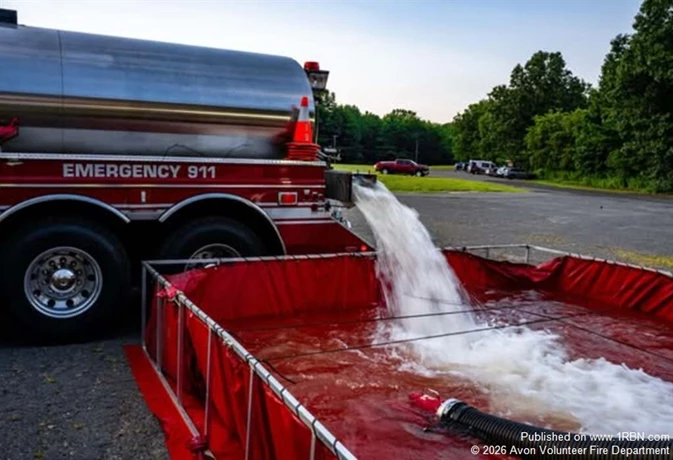
Photo by Avon Volunteer Fire Department
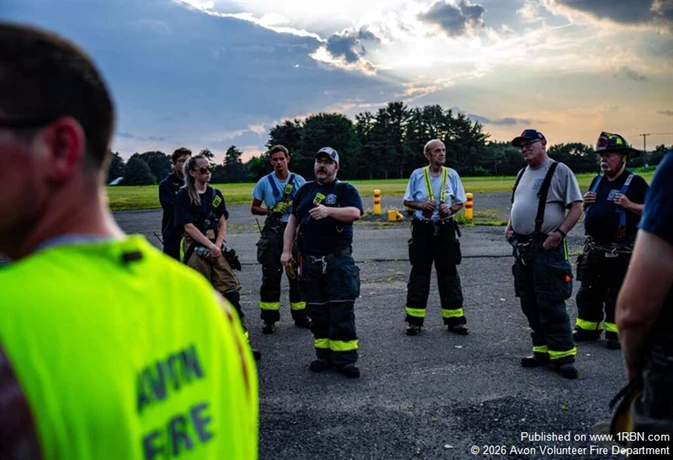
Photo by Avon Volunteer Fire Department
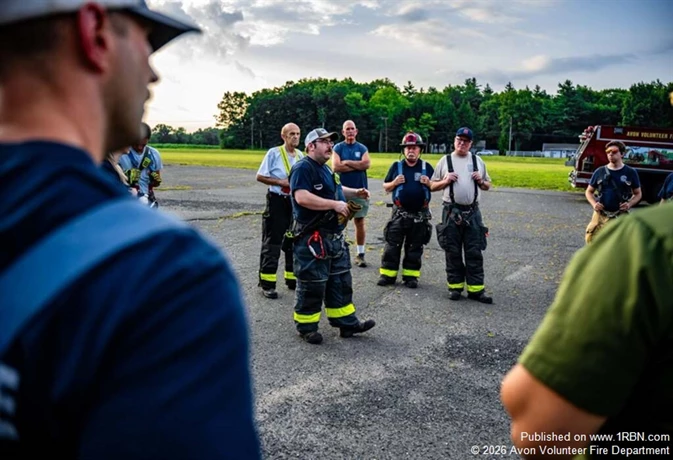
Photo by Avon Volunteer Fire Department
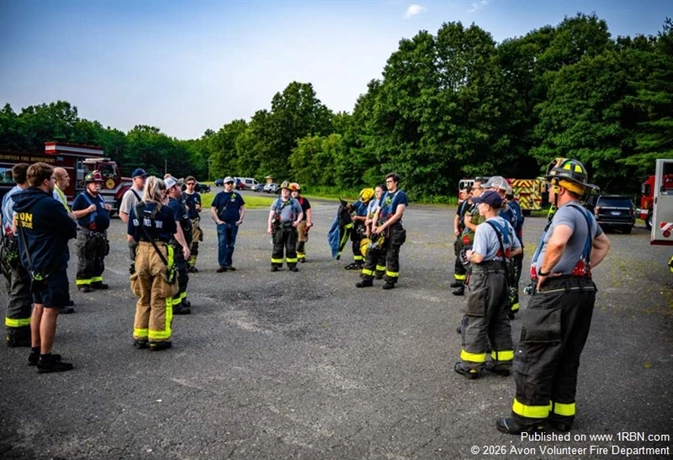
Photo by Avon Volunteer Fire Department
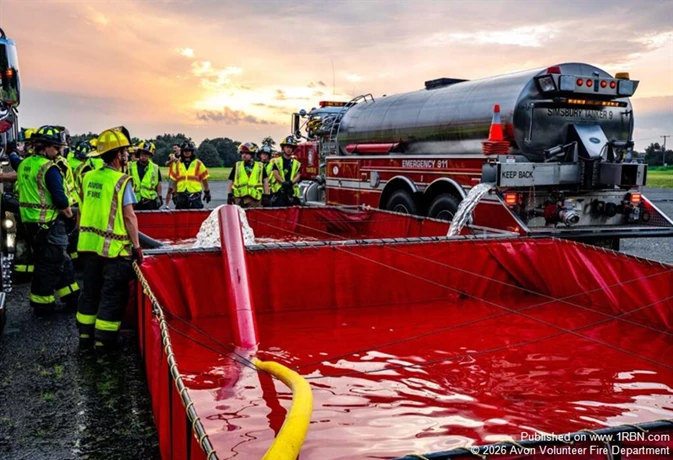
Photo by Avon Volunteer Fire Department
Avon, CT - Members of the Avon Volunteer Fire Department conducted detailed rural water supply training in Avon, Hartford County, Connecticut, focusing on developing and reinforcing tanker shuttle operations in areas where hydrants are not available and sustained water delivery is critical to fire suppression.
On August 1, 2026, the drill simulated a working structure fire scenario requiring continuous and coordinated water movement over distance. Engine 7 operated in the fire attack role, advancing handlines and simulating fireground suppression needs while maintaining a steady water demand from the supply system.
Engine 11 was assigned as the primary water supply engine, drafting from portable dump tanks that were continuously replenished through a structured tanker shuttle operation. Firefighters focused on maintaining consistent pressure and flow stability, ensuring the simulated fire attack line remained uninterrupted throughout the evolution.
Engine 14 established and operated a dedicated fill site designed to maximize tanker turnaround eficiency, reducing downtime between water delivries and improving overall system flow. This included coordinating arrivals, fill procedures, and departure sequencing for multiple apparatus.
Support was also provided by the Avon tanker along with a mutual aid tanker from the Simsbury Volunteer Fire Company, highlighting the importance of interagency coordination during large-scale water supply operations. Throughout the training, crews emphasized communication, timing, and scene organization—key factors in maintaining a reliable water supply in rural settings where multiple tankers may be required to sustain fireground operations for extended periods.
The exercise reinforced operational readiness and strengthened regional interoperability, ensuring crews remain prepared for high-demand incidents requiring complex water logistics and coordinated multi-department response.
No information from the author.