





Live Fire Drills


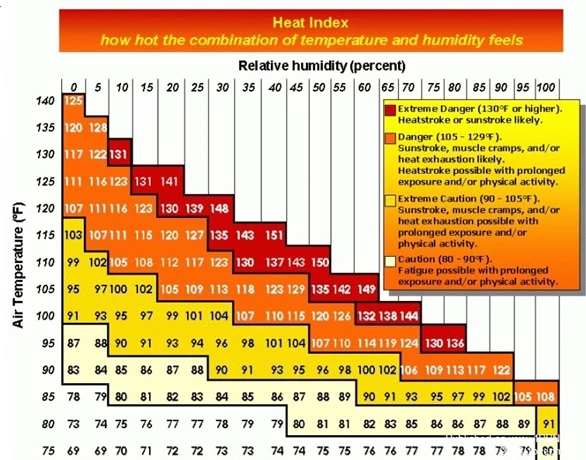
Photo by Joseph Cea
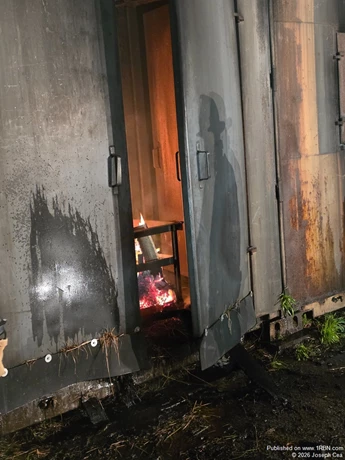
Photo by Joseph Cea
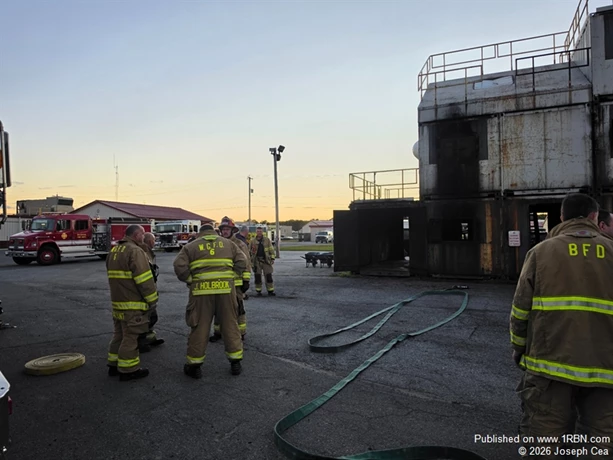
Photo by Joseph Cea
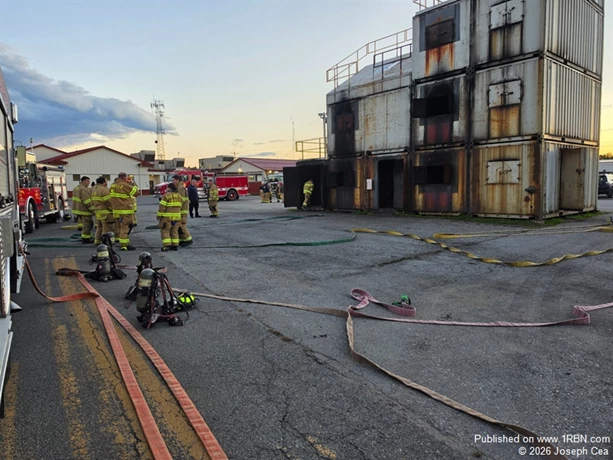
Photo by Joseph Cea
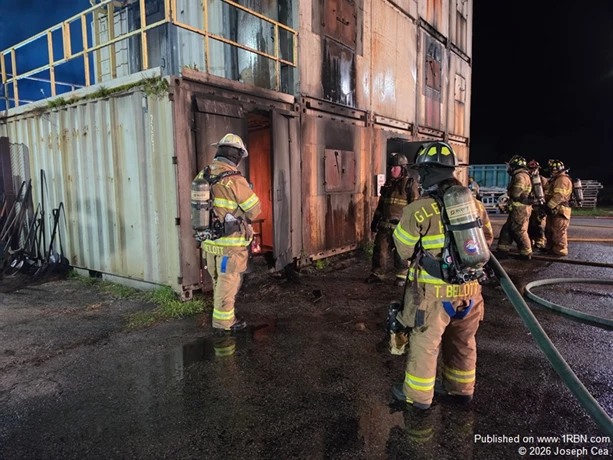
Photo by Joseph Cea
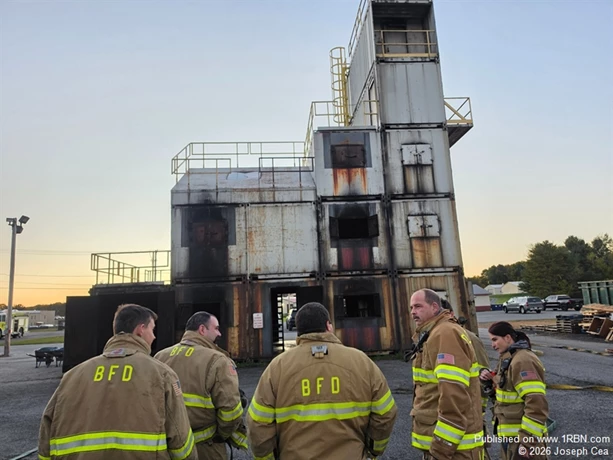
Photo by Joseph Cea
Governed by NFPA 1403, live fire drills are arguably the most stimulating but at the same time the most dangerous drills that firefighters must participate in. Live fire drills also require the most advanced preparation because firefighter safety is the most paramount aspect of any training. For this reason, 1403 is likely one of the most detailed and lengthy standards that NFPA produces. Let’s take a look at some of the more important aspects taking into consideration that there is no way to cover it all here so instructors and officers will have to research the standard in its entirety (@ NFPA.org) before conducting any live fire drill.
Let’s plan a live fire drill step by step. We’ll start with how many instructors are necessary because if you can’t line up enough properly certified instructors then you can’t proceed further. The standard calls for a minimum of four instructors. There will be an “instructor in charge” that must be a level two instructor and is overall responsible for all aspects of a live fire drill, a safety officer who has the authority to stop a live fire drill at any time, an inside safety officer who is accountable for any/all personnel inside a burn structure and an ignition officer who is responsible for ignition (of class A materials only), ensuring a charged safety and backup line and monitoring interior temperatures.
Although live fire drills can be run in an acquired structure the reality is that they should only be run in a “purpose-built facility” designed to run hundreds of evolutions over a period of years. Acquired structures may be too costly and require extensive preparation in order to ensure firefighter safety such as proper and multiple points of egress. Acquired structures may also have exposures to take into account not to mention potentially burning dangerous materials such as asbestos. All in all, acquired structures may be fine for search and rescue and forcible entry drills but it is best to run live fire drills from a facility specifically intended for this purpose.
Combining these two parts (personnel and location) 1403 also requires that EMS services be on scene. However, one caveat is that EMS transportation is only required when live fire drills take place in an acquired structure. Obviously, there are apparatus to transport if necessary but it is safer to have EMS transport for a training tower as well.
Now you have your instructors and location. Next up would be adequate water supply and fuel. 1403 specifies that attack lines and backup lines have a separate water supply capable of delivering 95 GPM to ensure that both water sources are not lost at the same time. As an example, if you have an attack line, backup line and safety line there should be three apparatus at your drill. In a live fire drill only class A materials can be used to a maximum temperature of 800 deg F.
Prior to the actual evolution is the “walk-through”. Every firefighter needs to know the general layout, how the windows open, where the stairs are etc… but most importantly all the of points of egress. Live fire drills should be limited relative to how many each firefighter completes. Remember your gear is absorbing all the heat from the training fire so subsequent evolutions can be more dangerous physiologically but also to your gear and equipment https://stacks.cdc.gov/view/cdc/163654.
Officers must be VERY AWARE of the signs of firefighter fatigue and possible injury. Dilated pupils, slurred or otherwise irregular speech, lack of balance and coordination are some outward signs that a firefighter is no longer capable of completing live fire evolutions and should be immediately removed and examined by EMS. Officers also have to be aware of the heat index to make sure any additional ambient temperatures don’t create an unnecessary risk.
With that in mind, the rotation should be: Attack line—Rehab—Safety line—Backup line with the most important part being rehab immediately after being on the attack line. Firefighters in rehab should hydrate, grab some carbohydrates and completely remove turnout gear to cool down.
What are firefighters actually training to do during a live fire drill? Obviously, there is putting the wet stuff on the red stuff but current practice has indirect water streams aimed at the walls and ceilings to reduce heat first then putting out the actual fire. Direct water streams on a fire will cause steam that can burn firefighters and victims, cause visibility issues including using the fire itself as a light source for search and rescue.
Firefighters are also practicing teamwork through radio communications. This is especially true when a live fire is combined with ventilation tactics that must be coordinated.
What about live fire drills for Explorers and junior firefighters. Well, that’s going to be a “HARD NO” but there are some modifications that will allow this group a reasonable simulation. Using orange puck lights as a fire and a smoke machine (or no smoke at all) will provide enough training for this level. One of the more important aspects at this level though is making sure all junior firefighters have medical clearance to wear and breathe through an SCBA.
Lastly, many volunteer departments do not have the resources to put together a live fire drill. That could be getting municipal instructors or a safe venue. Even getting enough firefighters to participate can be difficult. One solution may be combining mutual aid departments and then hiring a private contractor such as Calderwood Training Solutions (https://calderwoodtrainingsolutions.com/.) to facilitate any live fire drill needs.
“As the fire wound its way toward me, I broke down to kneel and momentarily pray knowing my fate was but a few seconds away but then suddenly I was not afraid and stood, looked back at the fire bravely and it seemed to stop with an instantaneous courtesy and respect as if it knew that a worthy adversary or a powerful ally had just been encountered.”
No information from the author.