






Alternate Careers in the Fire Service


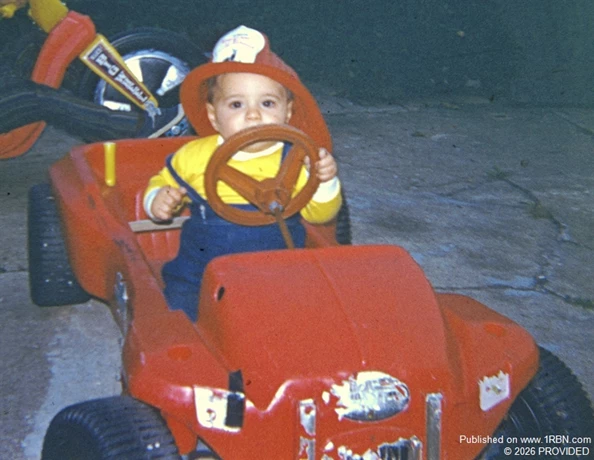
Photo by PROVIDEDJoseph's real first fire.
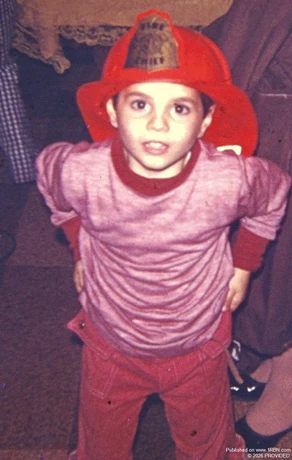
Photo by PROVIDEDAlways a firefighter, Joseph circa 1974 (age 3).
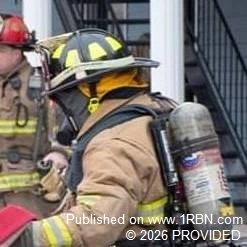
Photo by PROVIDEDJoseph's first fire masked up, age 46.
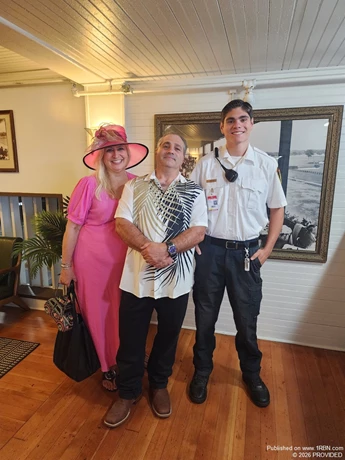
Photo by PROVIDED(L to R): Joseph's fiancé, Joseph, and NYRA Fire Marshal JD Cea (Joseph's son).
The first occupation that inevitably comes to mind when thinking of the fire service is firefighter and for obvious reasons. Firefighter positions are varied and can be divided in a couple different ways. First by separating the volunteer from the career side but this title can also be divided into interior, exterior and wildland. However, once you venture into working with “Old Man Fire” what becomes apparent is that there are a multitude of other different titles within the fire service. Interestingly enough is that both the public and private sector have an equal claim to alternative fire service careers.
Access to these other fire service careers typically start out as firefighters i.e. you would have to train and, in some cases, work as a firefighter before being able to accept other positions and responsibilities. This is because being a firefighter provides a solid foundational understanding of fire emergencies that can then be applied to other positions based also on future training and education.
If we are just talking about and starting with career firefighting most if not all of the titles defined here are just simply advancement and not necessarily an “alternate career”. This article, however will focus on describing several fire service titles but from the perspective of someone transitioning into the fire service from a previously chosen and different career path.
The volunteer fire service is actually very good in this regard. Volunteers can not only continue in their chosen careers but also be firefighters thus building up training and experience to advance in the fire service. For example, training classes can be taken to advance into several titles such as fire instructor, safety officer, fire investigator, fire marshal and fire inspector while still working your “day job”. For the purpose of this article the titles listed here are based on actual positions within New York State and may vary slightly in other states.
Let’s briefly take a look at a few:
Fire Instructor: The primary responsibilities being instructing and teaching courses in firefighting. Typically, instructors are provided with a set curriculum that must be followed. A background in education and/or coursework as a fire instructor is required. Most fire instructors are employed at the state or county level. In some states (Pennsylvania comes to mind) fire instructors work out of community colleges.
Fire Investigator: This title focuses on the cause and origin of a fire. Investigators would determine if arson was involved as well and possibly testify in court. This can be a public or private sector position with insurance companies hiring within the latter.
Fire Inspector: Inspectors are involved in compliance with fire codes. The responsibilities of a fire inspector can also be integrated in other titles from code enforcement officer to fire protection specialists and even parking enforcement officer with respect to ensuring compliance with fire lanes and hydrants.
Safety Officer: Individuals working under this title would monitor, assess and mitigate hazardous situations on the fireground ensuring personnel safety
Fire Marshal (specific to the New York Racing Association – NYRA): The Fire Marshal reports to the NYRA Fire Inspector (Chief) and is responsible for ensuring full compliance with National Fire Protection Association (NFPA) standards and New York State Building Codes as they pertain to fire safety. Key responsibilities include fire prevention and inspection, emergency management and response and fire code compliance and reporting.
Fire Coordinator: In NYS each county has a regional coordinator that manages inspectors, investigators and training opportunities. The top position is the only paid position while all other deputy coordinators are volunteer.
Dispatcher: Answers emergency and non-emergency calls, dispatches appropriate resources, communicates with the public and other first responders. They may provide life-saving instructions to callers. Maintain accurate logs of calls, incident times and locations.
So, what is the first step? What if you finally decide to take the plunge into the fire service and potentially changing your occupation or at the very least supplementing your current career. Start with some online research. Typically, you can find education, training and experience requirements for a position of interest at your states and/or county fire service website. NYS Fire Coordinators website (NYSFCA.org) along with the NYS Association of Fire Chiefs (https://www.nysfirechiefs.com/) are also good starts. Additionally, the National Fire Academy (https://www.usfa.fema.gov/nfa/) has great information on fire service careers including a number of free online courses.
On the private side visit the Fire Safety Research Institute at https://fsri.org/, Firefighter Association of the State of New York (Fasny.com) and the New York Racing Association (NYRA.com). For the latter Contact Adam Brement (NYRA Fire Inspector) at 516-408-2924 and/or ABrement@nyrainc.com for more information on current positions.
Next start making some phone calls. Talk to others that have joined the fire service and/or have used the volunteer fire service to advance and transition their profession. Lastly, visit your local firehouse and talk to an officer to start the ball rolling by applying. Membership in a local volunteer fire company will allow you to start building your fire service resume that will eventually lead to being qualified to apply for any of the listed positions and then some.
Using my own story, like most kids I had wanted to be a firefighter but life has a funny way of coming at you sometimes and didn’t become a volunteer until age 46. By then opportunities as a career firefighter had passed me by. Luckily, a passion for the fire service could still be satisfied with other, alternate positions. As a volunteer I took classes to build my fire service portfolio to the point of being qualified to work under several of the titles listed here.
Changing careers can be risky as there are so many unknowns and there would a lot of factors to weigh. It can certainly affect your financial situation; retirement plans as well as personal and family relationships to name a few. Start by asking yourself “Would I be happier staying in my current career or starting over in the fire service.” Just like on the fireground though, be decisive and don’t wait. In the end the fire service represents a number of challenging careers and the risk is worth the reward.
No information from the author.